Mimosa Hostilis Root Bark Powder
Discover Mimosa Hostilis Root Bark Powder, a finely processed botanical material associated with Mimosa tenuiflora. The plant is also known by the historical botanical name Mimosa hostilis and the common Mexican name Tepescohuite.
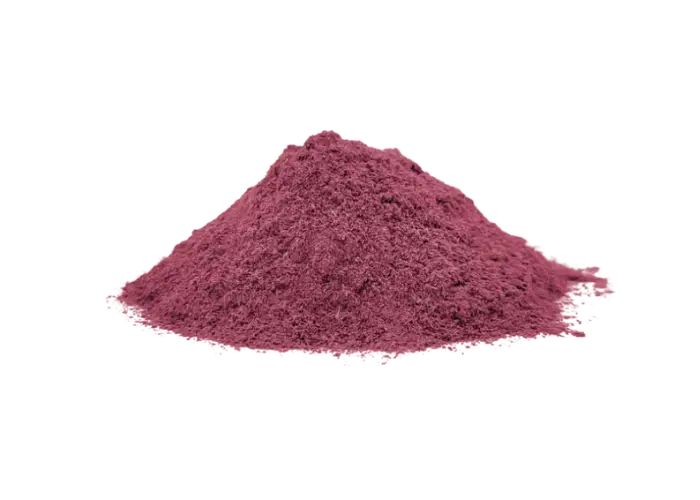
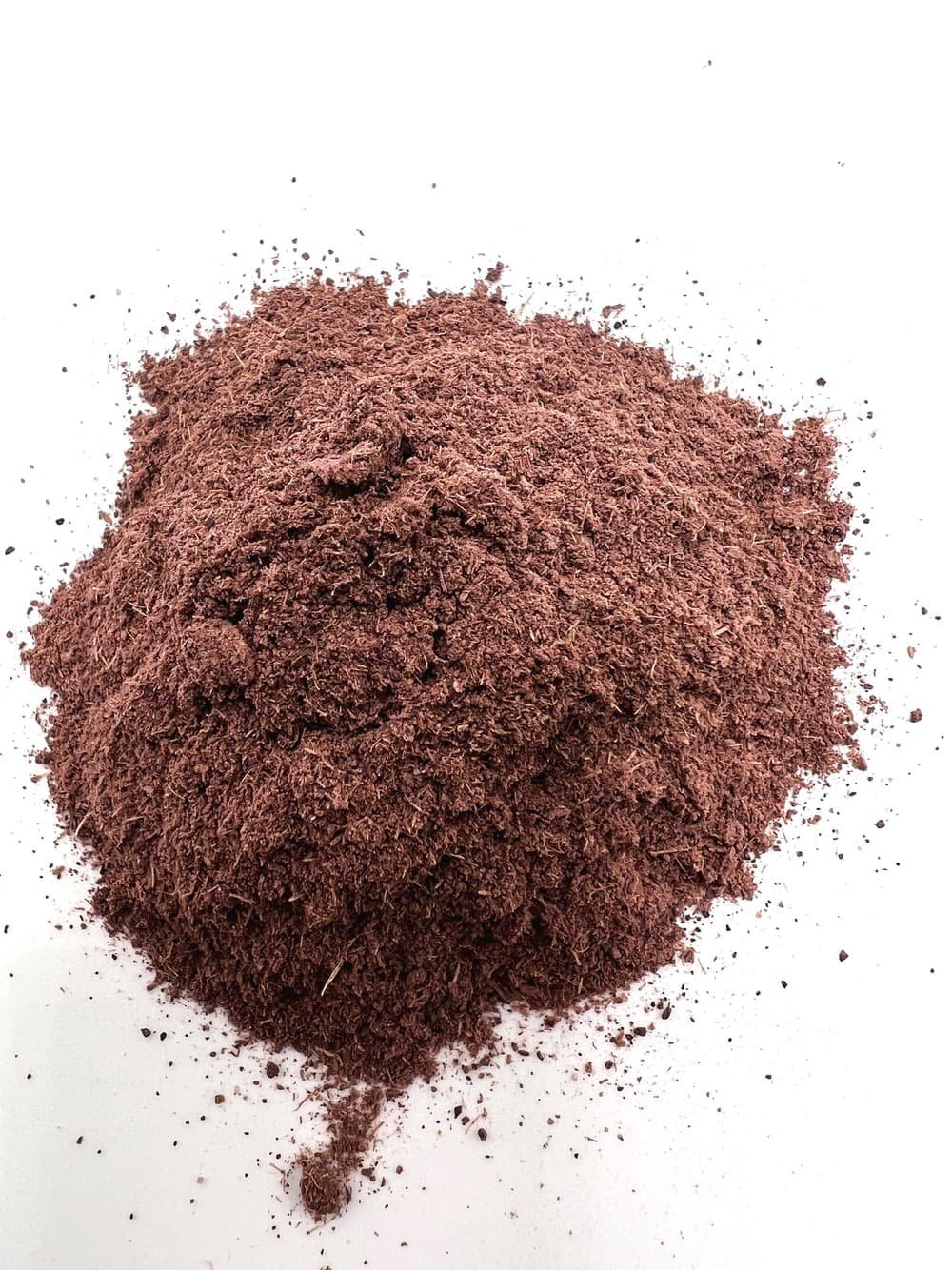
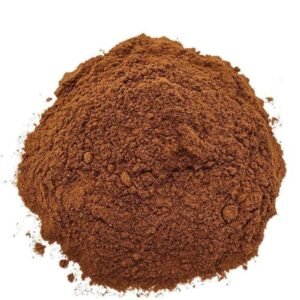
Unlike whole root bark, this product comes in a fine powdered format. As a result, it has a smooth, loose texture rather than the larger pieces found in whole bark. Natural variations in color, texture, and aroma can also occur between batches.
What Is Mimosa Hostilis Root Bark Powder?
Mimosa tenuiflora belongs to the Fabaceae family and occurs naturally across parts of Mexico and other areas of Latin America. Modern botanical references generally use Mimosa tenuiflora, while Mimosa hostilis remains a historical name associated with the species.
This product contains root bark processed into a fine powder. Therefore, it is clearly different from whole or larger pieces of root bark.
Because this is natural plant material, each batch may have slightly different characteristics. For example, the powder can vary in shade, texture, and natural botanical aroma.
Fine Powder Format
The most important feature of this product is its fine root bark powder format.
Unlike whole root bark, the material undergoes mechanical processing to create a smaller, more consistent texture. Consequently, customers looking for a powdered botanical material can easily distinguish this product from whole bark.
The powder may naturally feature:
- Brown to reddish-brown earthy tones
- A fine, loose texture
- A natural botanical aroma
- Minor variation in particle size
- Slight differences in color between batches
Furthermore, natural plant materials rarely have a perfectly uniform appearance. These differences can occur from one batch to another.
Mimosa Hostilis and Mimosa Tenuiflora
You may see both Mimosa Hostilis and Mimosa Tenuiflora when researching this plant.
Mimosa tenuiflora is the modern botanical name commonly used in plant references. Meanwhile, Mimosa hostilis represents a historical synonym.
In Mexico, people also associate the plant with the name Tepescohuite. Therefore, understanding these names can make it easier to compare botanical and ethnobotanical information.
Botanical Background
Mimosa tenuiflora belongs to the legume family, Fabaceae. The species grows naturally in warm regions of Mexico and other parts of Latin America.
Researchers have documented the plant’s distribution, anatomy, composition, and traditional importance. In addition, ethnobotanical literature records different relationships between local communities and Mimosa species.
The plant therefore has both botanical and cultural significance. Today, it remains a subject of interest for botanical education, ethnobotanical research, and natural-material studies.
Natural Characteristics
Since this product comes from natural plant material, its appearance may change slightly between batches.
For instance, the powder can range from lighter brown to deeper reddish-brown or other earthy shades. Likewise, the texture and aroma can vary depending on the source material and processing.
You may notice differences in:
- Color
- Texture
- Aroma
- Particle consistency
- Natural plant characteristics
These variations are normal for botanical materials. Therefore, minor differences do not automatically indicate a quality issue.
Botanical and Educational Uses
We present this product as natural botanical material for lawful purposes. For example, it may suit:
- Botanical collections
- Educational projects
- Ethnobotanical study
- Plant identification
- Natural-material research
- Botanical displays
- Historical plant studies
In addition, the fine powder format makes the physical characteristics of processed botanical material easier to examine.
Historical information about traditional plant use provides useful cultural context. However, traditional practices should not be interpreted as medical recommendations or proof of a specific modern health benefit.
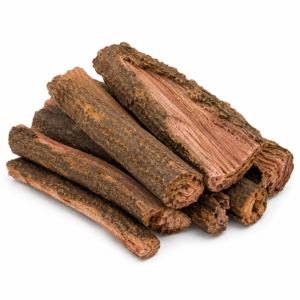
Powdered Root Bark vs. Whole Root Bark
The primary difference between these products is the physical format.
Powdered root bark has a fine texture because the material undergoes mechanical processing. Whole root bark, by comparison, remains in larger pieces and retains more of its natural bark structure.
Therefore, customers should choose the format that matches their intended lawful botanical, educational, or collection purpose.
If you specifically want larger bark pieces, a whole-root-bark product would be the more appropriate format.
Storage and Product Care
Proper storage helps protect the condition of powdered botanical material. For this reason, keep the product in a cool, dry environment.
In particular:
- Keep the powder away from moisture.
- Protect it from direct sunlight.
- Avoid excessive heat.
- Use a clean, sealed container.
- Limit unnecessary exposure to open air.
- Keep it away from strong odors and contaminants.
Because powdered material has a fine texture, moisture can affect its condition. Therefore, a dry and stable storage environment remains important.
Product Specifications
| Specification | Details |
|---|---|
| Product name | Mimosa Hostilis Root Bark Powder |
| Botanical name | Mimosa tenuiflora |
| Historical name | Mimosa hostilis |
| Common name | Tepescohuite |
| Family | Fabaceae |
| Plant material | Root bark |
| Format | Fine powder |
| Product type | Natural dried botanical material |
| Color | Natural brown to reddish-brown variations |
| Texture | Fine and loose |
| Storage | Cool, dry, sealed environment |
Frequently Asked Questions
What is Mimosa Hostilis Root Bark Powder?
It is a finely processed botanical material associated with Mimosa tenuiflora, historically known as Mimosa hostilis. The product comes in a fine powdered format rather than whole bark pieces.
Is Mimosa Hostilis the same as Mimosa Tenuiflora?
Mimosa hostilis is a historical name associated with Mimosa tenuiflora. Modern botanical references commonly use Mimosa tenuiflora as the accepted botanical name.
Is this product whole or powdered?
This product is powdered root bark. Therefore, it does not contain the larger pieces associated with whole root bark.
What does the powder look like?
The powder generally has natural brown or reddish-brown earthy tones. However, the exact appearance can vary between batches.
Does the powder have a natural aroma?
Natural botanical material can have an earthy or plant-like aroma. Aroma strength can vary depending on the material and storage conditions.
How should I store Mimosa Hostilis Root Bark Powder?
Keep the powder in a cool, dry place away from moisture, direct sunlight, and excessive heat. Additionally, a clean sealed container can help protect the material.
What is Tepescohuite?
Tepescohuite is a name associated with Mimosa tenuiflora in Mexico. The plant has a documented history within Mexican ethnobotanical traditions.
How does powdered bark differ from whole bark?
Powdered bark has a fine texture created through mechanical processing. Whole bark, on the other hand, remains in larger natural pieces.
Is this product a food or dietary supplement?
No. This product is offered as natural botanical material for lawful botanical, educational, collection, and research purposes. It is not marketed as a food, dietary supplement, or medicine.
Important Product Information
This product is sold as natural botanical material for lawful botanical, educational, collection, and research purposes.
Information about historical or traditional plant use provides ethnobotanical context only. Therefore, it should not be interpreted as medical advice or as evidence that the product can diagnose, treat, cure, or prevent a disease or health condition.
Customers should also review and follow the laws and regulations that apply to botanical materials in their location.
Order Mimosa Hostilis Root Bark Powder
Mimosa Hostilis Root Bark Powder provides a finely processed botanical format associated with Mimosa tenuiflora. Its fine texture, natural earthy appearance, and botanical history make it an interesting material for lawful botanical collections and educational study.
If you are specifically looking for powdered root bark rather than whole bark, this product clearly provides the powdered format. Finally, review the product specifications and applicable regulations before ordering to ensure it meets your requirements.
Derrick Morgan –
I’ve ordered from this store more than once and have been pleased with my experience each time. The product and service have been consistent.
Elena Andreeva –
The packaging was neat, and the product matched the description. Happy with the overall presentation.