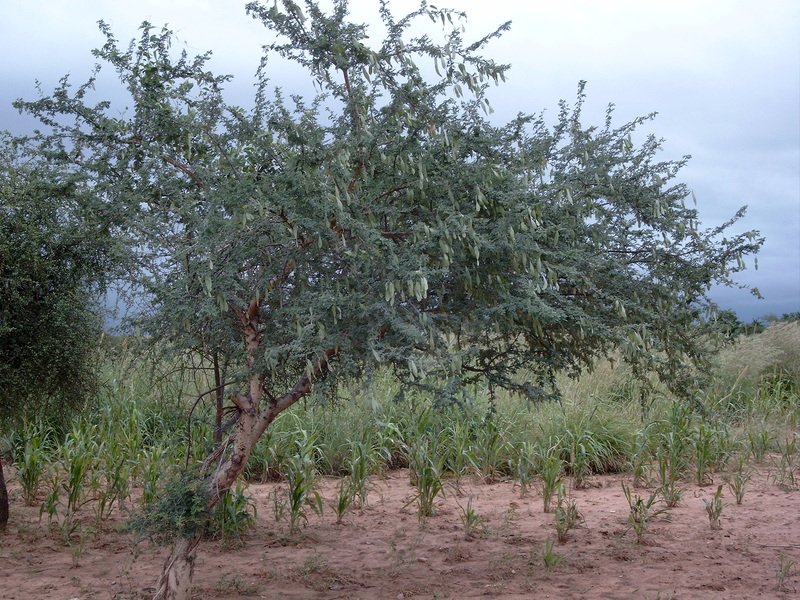
Acacia root bark is a botanical material obtained from the roots of certain Acacia species. It has a long history of use in different regions and has become a subject of interest among people who study plants and botanical materials.
However, the term “Acacia root bark” can refer to products from different Acacia species. The species, origin, form, and processing method can all affect the characteristics of the final product.
In this guide, we will look at what Acacia root bark is, where it comes from, the different forms available, how to store it, and what to consider when choosing a botanical product.
What Is Acacia?
Acacia is a large group of trees and shrubs found in many parts of the world. Different species grow in regions of Africa, Asia, Australia, and other areas.
Acacia plants can vary considerably in appearance. Some grow as small shrubs, while others develop into larger trees. Their leaves, bark, flowers, and growth patterns also differ between species.
Because there are many species within the Acacia group, it is important to identify the specific plant when discussing Acacia products.
What Is Acacia Root Bark?
Acacia root bark refers to the bark collected from the roots of certain Acacia species. The material is separated from the root and prepared for storage or further processing.
The final product can have different textures depending on how it is prepared. For example, some products contain larger pieces or whole bark, while others are processed into smaller pieces or powder.
The appearance can also vary according to the Acacia species and its geographical origin.
Where Does Acacia Root Bark Come From?
Acacia species grow in many parts of the world. As a result, Acacia root bark products can come from different geographical regions.
The origin of a botanical product is important because environmental conditions can vary from one location to another. Soil, climate, rainfall, and growing conditions may all influence the characteristics of a plant.
For this reason, product descriptions should clearly identify the Acacia species and origin whenever that information is available.
Different Acacia Species
Not all Acacia root bark products come from the same species. Some commonly discussed botanical species include Acacia confusa and Acacia acuminata.
Acacia Confusa
Acacia confusa is a tree native to parts of East and Southeast Asia. It is also known by several common names and has become an important subject in botanical discussions.
Products made from this species may be available in different forms, including whole bark and powdered material.
Acacia Acuminata
Acacia acuminata is native to Australia. It is commonly known by names such as raspberry jam wattle and fine-leaved jam wattle.
This species differs from Acacia confusa in its natural range, botanical characteristics, and physical appearance.
When purchasing an Acacia product, checking the scientific name can therefore help you understand exactly which species you are buying.
Whole vs. Powdered Acacia Root Bark
Acacia root bark is commonly available in different physical forms. Two popular formats are whole bark and powdered bark.
Whole Acacia Root Bark
Whole root bark consists of larger pieces of bark. This format allows you to see the natural texture and appearance of the botanical material.
It can be useful for customers who prefer a less processed form and want to inspect the material before use or further preparation.
Powdered Acacia Root Bark
Powdered root bark has been mechanically processed into a finer material. The powder has a more consistent texture and can be easier to measure or incorporate into applications where a fine botanical material is required.
The choice between whole and powdered bark depends on personal preference and intended application.
How to Choose Acacia Root Bark
When selecting an Acacia root bark product, there are several factors worth considering.
First, check the species. Look for the scientific name rather than relying only on a common name.
Next, check the origin. A clear product description should provide information about where the botanical material comes from when that information is available.
Then, consider the format. Decide whether whole bark, shredded bark, or powder better suits your needs.
Finally, look at the product information. Clear descriptions, product specifications, packaging details, and storage instructions can help you make a more informed decision.
How to Store Acacia Root Bark
Proper storage can help maintain the quality and condition of dried botanical materials.
Keep Acacia root bark in a cool, dry place away from direct sunlight. Avoid areas with excessive humidity because moisture can affect dried plant materials.
An airtight or well-sealed container can help protect the product from moisture, dust, and other environmental factors.
If you purchase powdered material, make sure the package remains properly sealed between uses. This can help prevent moisture from entering the product.
Always follow any storage instructions provided with the specific product.
Acacia Root Bark and Botanical Identification
Botanical identification is an important part of understanding plant materials.
The same common name can sometimes be used for different plants. Therefore, scientific names provide a more reliable way to identify a particular species.
For example, Acacia confusa and Acacia acuminata are different species with different natural distributions and botanical characteristics.
If you are researching Acacia products, compare the scientific name, origin, format, and product description before making a decision.
Why Product Form Matters
The form of a botanical product can change how it looks, feels, and is handled.
Whole bark provides larger pieces that retain their natural structure. Shredded material consists of smaller pieces, while powder has been processed into a fine consistency.
None of these formats is automatically better for every customer. The right choice depends on what you are looking for and how you plan to handle the botanical material.
Frequently Asked Questions
What is Acacia root bark?
Acacia root bark is bark collected from the roots of certain Acacia species. It is available in different forms, including whole pieces, shredded material, and powder.
Is all Acacia root bark the same?
No. Acacia root bark can come from different species and geographical regions. The species and origin should be checked before purchasing.
What is Acacia Confusa?
Acacia confusa is an Acacia species native to parts of East and Southeast Asia. It is one of the species associated with botanical root bark products.
What is the difference between whole and powdered root bark?
Whole root bark consists of larger pieces, while powdered root bark has been processed into a fine material. The preferred format depends on individual needs and intended application.
How should Acacia root bark be stored?
Store dried Acacia root bark in a cool, dry location away from direct sunlight and moisture. Keep the package properly sealed when not in use.
How can I identify the Acacia species in a product?
Check the product description for the scientific name. Scientific names such as Acacia confusa and Acacia acuminata provide more precise identification than common names alone.
Final Thoughts
Acacia root bark is a botanical material associated with several different Acacia species. Understanding the species, origin, physical form, and storage requirements can make it easier to choose the right product.
Whether you are researching Acacia confusa, Acacia acuminata, whole bark, shredded material, or powdered products, learning about the botanical background can help you make more informed purchasing decisions.
At our store, we provide Acacia botanical products in different forms and aim to give customers clear product information. Explore our Acacia collection to learn more about the available products and their individual specifications.
Important: Botanical products should be researched and handled responsibly. Always check local laws and regulations and follow the product’s specific instructions.